Artificial Intelligence (AI) is no longer a future concept—it is already shaping how we live, work, and interact with technology. From voice assistants and recommendation systems to smart cameras and automated tools, AI has become part of everyday life.
This beginner-friendly 2026 guide explains what artificial intelligence is, how it works, its types, real-life uses, benefits and risks, and how beginners can start learning AI—all in simple language.
H1: What Is Artificial Intelligence?
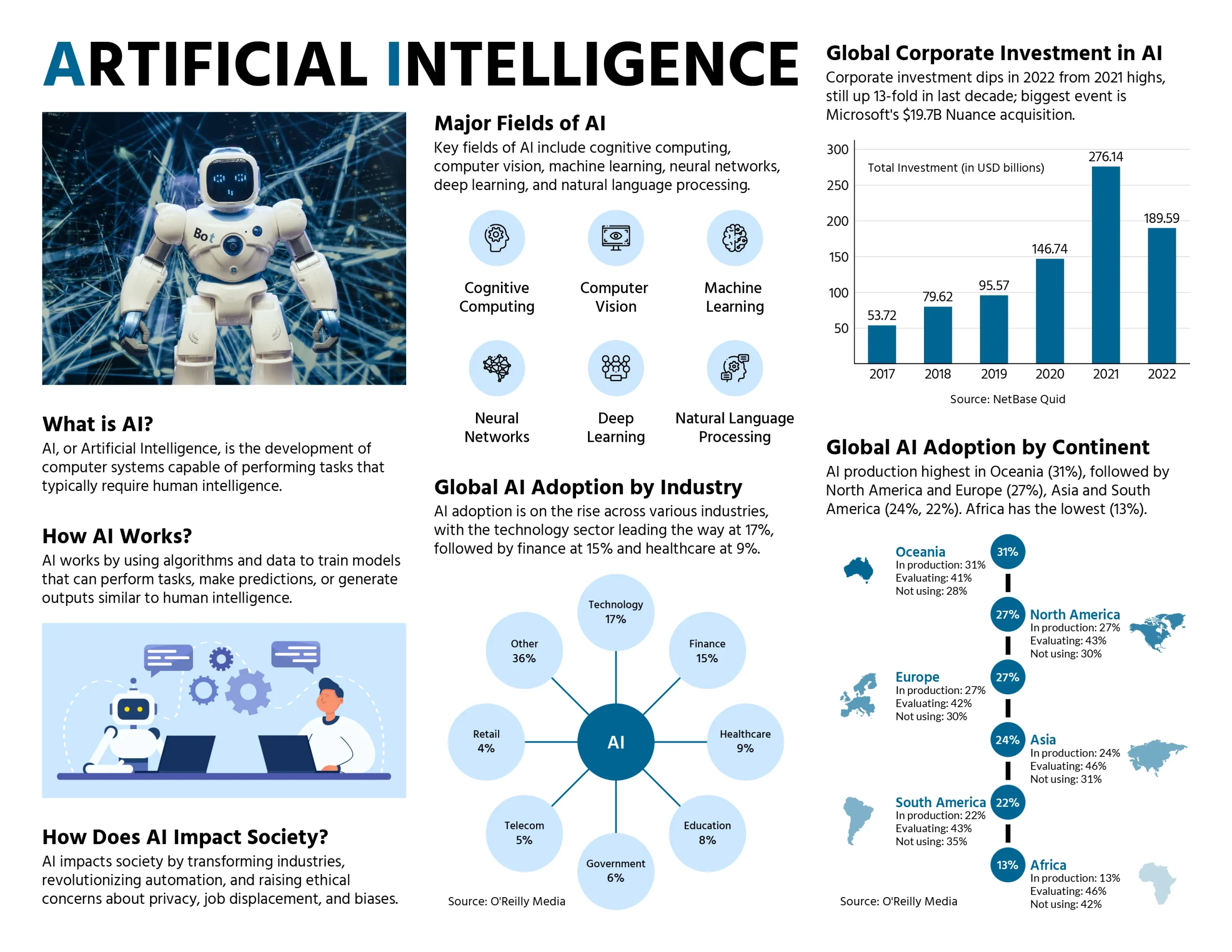
Artificial Intelligence refers to the ability of machines or computer systems to perform tasks that normally require human intelligence. These tasks include learning from data, understanding language, recognizing images, solving problems, and making decisions.
In simple words, AI makes machines “smart” so they can think, learn, and act like humans—sometimes even faster and more accurately.
H2: Simple Definition of Artificial Intelligence
Artificial Intelligence is a branch of computer science that focuses on creating systems capable of:
-
Learning from experience
-
Understanding information
-
Making decisions without constant human input
H2: How Does Artificial Intelligence Work?
AI works by combining data, algorithms, and computing power.
H3: Step-by-Step Explanation
-
Data Collection – AI systems learn from large amounts of data (text, images, videos, numbers).
-
Algorithms – These are rules or instructions that tell the system how to analyze data.
-
Training the Model – The system finds patterns in the data.
-
Prediction or Decision – Based on learning, AI gives results or takes action.
-
Improvement Over Time – AI improves as it gets more data.
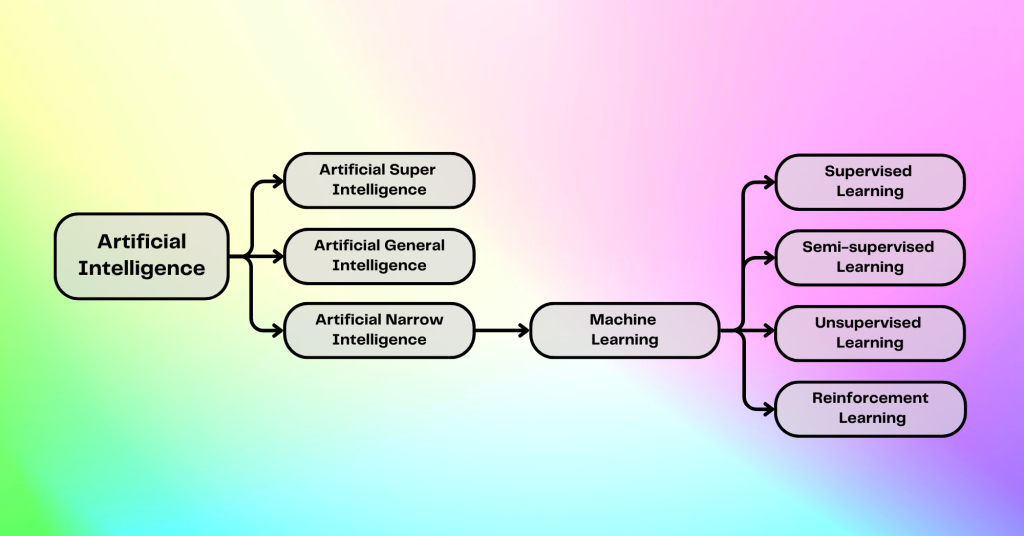
H2: Types of Artificial Intelligence
Understanding AI types helps beginners see how advanced (or limited) current systems are.
H3: 1. Narrow AI (Weak AI)
This AI is designed to perform one specific task.
-
Examples: voice assistants, recommendation systems, spam filters
-
Most AI today falls into this category.
H3: 2. General AI (Strong AI)
This type of AI would be able to perform any intellectual task a human can do.
-
Can think, reason, and learn like a human
-
Not yet achieved (still theoretical)
H3: 3. Super AI
-
Smarter than humans in every way
-
Can outperform humans in creativity, problem-solving, and emotions
-
Currently science fiction, but often discussed in future AI debates
H2: Core Technologies Behind Artificial Intelligence
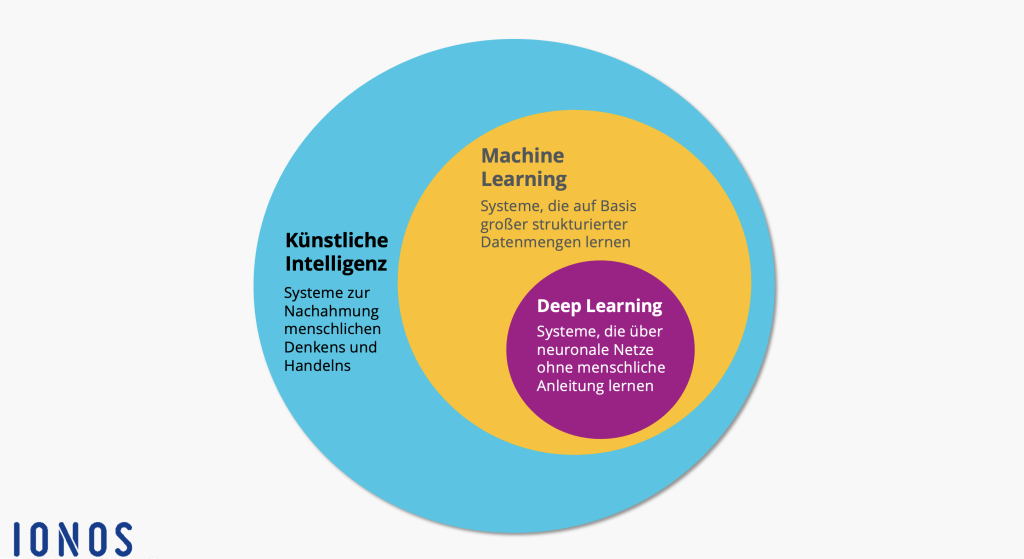
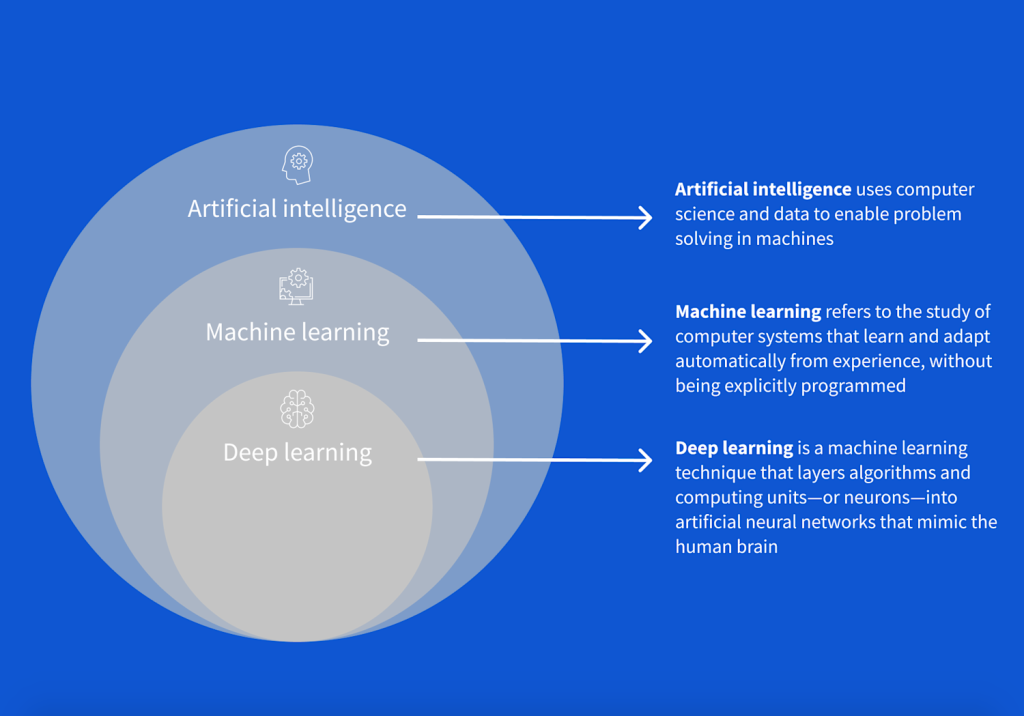
AI is not a single technology; it includes multiple subfields.
H3: Machine Learning (ML)
Machine Learning allows systems to learn automatically from data without being explicitly programmed.
H3: Deep Learning
A more advanced form of machine learning that uses neural networks inspired by the human brain.
H3: Natural Language Processing (NLP)
Helps machines understand and generate human language (text and speech).
H3: Computer Vision
Allows machines to “see” and understand images and videos.
H2: Artificial Intelligence in Daily Life (Real Examples)
AI is already everywhere, even if we don’t notice it.
H3: Everyday AI Examples
-
Voice assistants responding to commands
-
Search engines giving relevant results
-
Social media feeds showing personalized content
-
Maps suggesting fastest routes
-
Cameras detecting faces
AI works silently in the background to make digital experiences smoother.
H2: Artificial Intelligence in Different Industries
H3: Healthcare
-
Disease detection
-
Medical image analysis
-
Virtual health assistants
H3: Education
-
Personalized learning systems
-
Automated grading
-
AI tutors
H3: Business & Marketing
-
Customer behavior analysis
-
Chatbots for support
-
Content recommendations
H3: Finance
-
Fraud detection
-
Risk analysis
-
Automated customer service
H2: Advantages of Artificial Intelligence
AI offers many benefits when used correctly.
H3: Key Benefits
-
Saves time by automating tasks
-
Improves accuracy and efficiency
-
Works 24/7 without fatigue
-
Helps in complex decision-making
-
Reduces human error
H2: Disadvantages and Risks of Artificial Intelligence
Despite benefits, AI also has limitations and risks.
H3: Major Concerns
-
Job displacement in some industries
-
Data privacy issues
-
Bias in AI models
-
High development cost
-
Over-dependence on machines
Understanding these risks is important for responsible AI use.
H2: Artificial Intelligence vs Human Intelligence
H3: Key Differences
-
AI works based on data and logic; humans use emotions and creativity.
-
AI is fast and accurate; humans are adaptable and innovative.
-
AI lacks true understanding; humans have consciousness.
AI supports humans—it does not replace human thinking completely.
H2: Is Artificial Intelligence Dangerous?
AI itself is not dangerous, but misuse can be harmful. Problems arise when:
-
AI is trained on biased data
-
Used without ethical guidelines
-
Controlled by wrong intentions
Responsible development and regulation are essential for safe AI growth.
H2: Future of Artificial Intelligence (2026 and Beyond)
AI is expected to become:
-
More personalized
-
More integrated into daily tools
-
More helpful in healthcare and education
-
More regulated for ethical use
Instead of replacing humans, AI will likely assist humans in working smarter.
H2: How Beginners Can Start Learning Artificial Intelligence
You don’t need to be a programmer to start understanding AI.
H3: Beginner Roadmap
-
Learn basic concepts (AI, ML, data)
-
Understand how AI tools work
-
Explore beginner-friendly AI platforms
-
Practice with simple use cases
-
Gradually move toward technical learning if interested
Consistency matters more than complexity.
H2: Frequently Asked Questions (FAQs)
H3: Is AI hard to learn?
No. Basic AI concepts are easy to understand for beginners.
H3: Do I need coding to use AI?
Not always. Many AI tools are no-code or low-code.
H3: Will AI replace humans?
AI will change jobs, not completely replace humans.
Conclusion: Final Thoughts on Artificial Intelligence
Artificial intelligence is transforming the world at a rapid pace. In 2026, understanding AI is no longer optional—it is a valuable skill and knowledge area for everyone.
For beginners, the key is to start simple, stay curious, and learn step by step. AI is not here to scare us; it is here to help us grow smarter and more efficient.