Artificial Intelligence (AI) is no longer limited to science labs or big tech companies. In 2026, AI has become a natural part of our daily routine, often working silently in the background. From the moment you unlock your phone to the time you watch videos or shop online, AI is constantly helping you.
This beginner-friendly guide explains 15 real-life examples of artificial intelligence you see and use every day, with simple explanations and practical use cases.
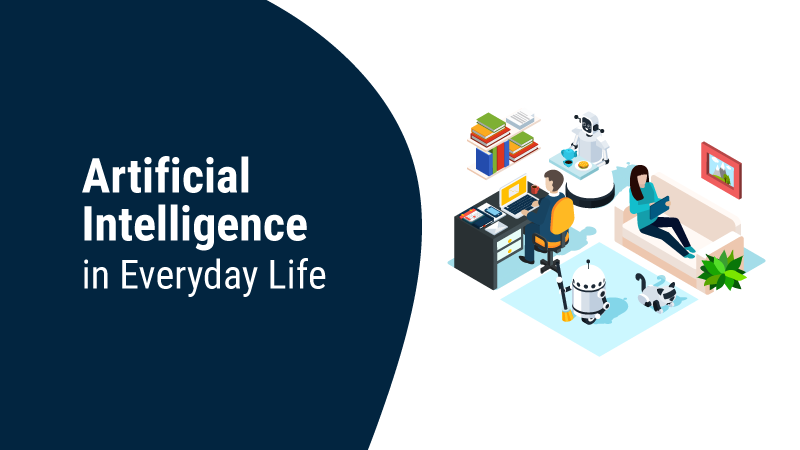
H1: Artificial Intelligence in Daily Life
“Artificial intelligence” refers to machines or software that can learn, analyze data, and make decisions like humans. In daily life, AI improves speed, accuracy, personalization, and convenience.
Most people use AI daily without even realizing it.
H2: Why Artificial Intelligence Is Important in Daily Life
AI helps by:
-
Saving time
-
Reducing manual effort
-
Improving accuracy
-
Personalizing experiences
-
Making technology smarter
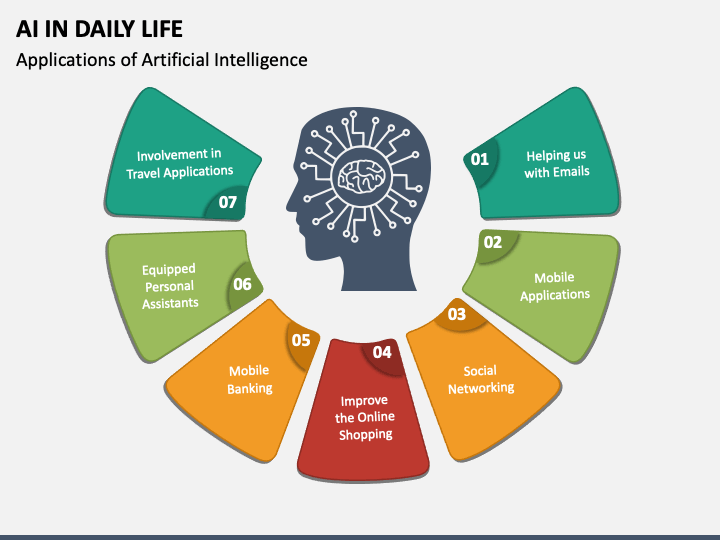
Now let’s explore 15 real examples of AI in everyday life.
H2: 15 Real Examples of Artificial Intelligence You See Every Day
H3: 1. Smartphones & Face Unlock
Modern smartphones use AI for:
-
Face recognition
-
Fingerprint security
-
Smart photo enhancement
AI analyzes facial features to unlock your device securely.
H3: 2. Voice Assistants
Voice assistants like Google Assistant and Siri use AI to:
-
Understand voice commands
-
Answer questions
-
Set reminders
They improve over time by learning your voice and preferences.
H3: 3. Search Engines
Search engines use AI to understand:
-
Search intent
-
Location relevance
-
Past behavior
This is why results feel more accurate and personalized.
H3: 4. Social Media Feeds
Platforms like Instagram and Facebook use AI to:
-
Decide what you see
-
Recommend reels and posts
-
Filter spam
AI analyzes your likes, comments, and watch time.
H3: 5. Online Shopping Recommendations
E-commerce platforms suggest products based on:
-
Your search history
-
Past purchases
-
Browsing behavior
AI helps users discover relevant products faster.
H3: 6. Email Spam Filters
AI automatically detects:
-
Spam emails
-
Phishing attempts
-
Promotional messages
This keeps your inbox clean and safe.
H3: 7. Navigation & Maps
Apps like Google Maps use AI for:
-
Traffic prediction
-
Shortest route suggestions
-
Live location tracking
AI analyzes real-time traffic data from millions of users.
H3: 8. Online Video Recommendations
Platforms like YouTube use AI to:
-
Recommend videos
-
Auto-play related content
-
Improve watch experience
The goal is to show content you’re most likely to enjoy.
H3: 9. Smart Home Devices
AI powers smart devices such as:
-
Smart lights
-
Smart speakers
-
Smart thermostats
These devices learn user habits to automate tasks.
H3: 10. Online Customer Support Chatbots
Many websites use AI chatbots to:
-
Answer common questions
-
Guide users
-
Provide 24/7 support
This reduces waiting time for customers.

H3: 11. Camera & Photo Apps
AI improves photos by:
-
Enhancing image quality
-
Removing blur
-
Adjusting lighting automatically
Even budget phones use AI photography features.
H3: 12. Streaming Platforms
Platforms like Netflix use AI to:
-
Suggest movies and series
-
Personalize thumbnails
-
Predict viewing preferences
AI helps users find content faster.
H3: 13. Online Payments & Fraud Detection
Banks and payment apps use AI to:
-
Detect unusual activity
-
Prevent fraud
-
Improve security
AI analyzes transaction patterns in real time.
H3: 14. Writing & Typing Suggestions
AI tools help with:
-
Auto-correct
-
Sentence suggestions
-
Grammar improvements
These features improve communication speed and accuracy.
H3: 15. Fitness & Health Apps
Health apps use AI to:
-
Track activity
-
Suggest workouts
-
Monitor habits
AI personalizes fitness recommendations based on user data.
H2: Benefits of Artificial Intelligence in Daily Life
H3: Key Advantages
-
Makes life easier
-
Improves productivity
-
Saves time
-
Reduces errors
-
Enhances user experience
AI works silently but efficiently.
H2: Are There Any Risks of AI in Daily Life?
Yes, but they can be managed.
H3: Common Concerns
-
Data privacy
-
Over-dependence on technology
-
Algorithm bias
Responsible AI usage is important for safety.

H2: Artificial Intelligence and the Future of Daily Life
In the coming years:
-
AI will become more personalized
-
Daily tasks will become more automated
-
AI tools will become easier to use
AI will assist humans, not replace them.
H2: Frequently Asked Questions (FAQs)
H3: Do I use AI every day?
Yes, most people use AI multiple times daily without noticing.
H3: Is AI only for tech experts?
No, AI is designed for everyone.
H3: Is AI safe in daily life?
AI is safe when used responsibly and ethically.
Conclusion
Artificial Intelligence has quietly become part of our everyday life. From smartphones and social media to navigation and entertainment, AI improves convenience, efficiency, and personalization. Understanding how AI works in daily life helps us use technology smarter and more responsibly.